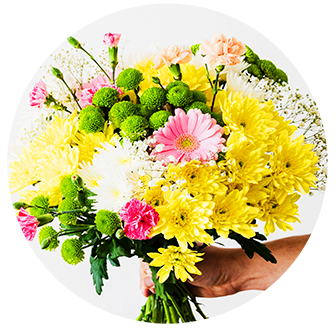
Bud to Bliss: Harness the Psychological Benefits of Flowers
Posted on 21/05/2025
Bud to Bliss: Harness the Psychological Benefits of Flowers
Flowers have enchanted humanity for centuries--not only through their vibrant colors and evocative scents but also through their profound impact on mood and mental wellbeing. In this comprehensive article, we explore how you can leverage the psychological advantages of flowers to foster happiness, health, and a joyful mindset.
The Timeless Link Between Flowers and Human Wellbeing
Since ancient times, flowers have been more than just decorative elements. Across cultures, they symbolize love, healing, and transformation. Recent scientific studies reveal what our ancestors seemed to know intuitively: flowers possess the unique ability to uplift spirits, reduce stress, and spark inner joy.
Why Flowers Make Us Feel Good
- **Immediate Mood Enhancement**: Scientific research confirms that exposure to fresh or even vividly depicted flowers triggers positive emotions almost instantly.
- Reduction in Anxiety and Stress: The sight and scent of blooms can help lower heart rates and trigger relaxation responses.
- Connection to Nature: Flowers offer an accessible way to bring nature indoors, countering the stresses of urban life and digital fatigue.
- Symbolism of Growth: Witnessing blossoming flowers serves as a metaphor for personal growth and renewal.
Scientific Evidence Supporting the Psychological Benefits of Flowers
What Research Tells Us About Flowers and Emotions
Multiple psychological and neurological studies have affirmed the tangible benefits of surrounding oneself with flowers. Highlights include:
- Immediate Happiness: A 10-month study at Rutgers University found that every participant experienced a genuine smile when presented with flowers. This immediate emotional impact was uniquely tied to fresh blooms compared to other gifts.
- Long-term Positive Effects: The research also indicated that the presence of flowers in the home boosted overall feelings of wellbeing and increased life satisfaction over days and weeks.
- Stress Reduction: Harvard Medical School reported that participants with flowers in their living spaces reported decreased feelings of anxiety, stress, and depression, while also citing higher energy and enthusiasm.
Sensory Pathways: How Flowers Work Their Magic
The psychological benefits of flowers are multi-sensory. Here's how each sense is engaged:
- Visual Impact: The colors and shapes of petals are naturally stimulating for the brain. Bright hues activate pleasure centers, while softer colors promote calm.
- Olfactory Delight: The aroma of fresh flowers has been shown to stimulate memory and relaxation--particularly scents like lavender and jasmine.
- Tactile Experience: Arranging flowers and touching petals creates a mindful activity, engaging your sense of touch and focus.
Types of Psychological Benefits: From Buds to Full Bloom
Harnessing the psychological benefits of flowers goes far beyond momentary happiness. Let's explore the broad spectrum of advantages:
1. Enhanced Mood and Optimism
Flowers are proven mood-boosters; they can foster feelings of happiness, gratitude, and hope. By interacting with flowers--whether buying, arranging, or simply observing them--you actively cultivate positivity and emotional balance.
2. Stress and Anxiety Reduction
Numerous studies suggest that flowers help soothe the mind and body during periods of stress or anxiety. Their scents, colors, and the act of seeing life flourish all play roles in calming the nervous system.
3. Enhanced Creativity and Focus
Do you want to be more creative or productive? Bringing flowers into your workspace can help. The visual stimulation they provide enhances creativity, problem-solving, and concentration, as established by a Texas A&M University study.
4. Fostering Social Bonds and Communication
Flowers play a key role in human connection. Whether given as a gift or used as a show of support or celebration, flowers help strengthen relationships, foster empathy, and encourage meaningful conversations.
5. Encouraging Mindfulness and Presence
Engaging with flowers--whether through gardening, arranging, or simply observing--invites a state of mindfulness. This practice draws your focus to the present moment, lowering rumination and promoting inner peace.
Integrating the Power of Flowers Into Your Daily Life
Ready to experience the soothing effects of flowers firsthand? Here are creative, impactful ways to leverage the psychological benefits of flowers every day.
Grow Your Own Joy: The Therapeutic Art of Flower Gardening
Growing flowers is more than a hobby; it's a powerful therapeutic practice. Tending a garden--big or small--reminds us to slow down, engage with nature, and celebrate life's cycles. The combination of physical activity, creative design, and witnessing growth can:
- Reduce symptoms of depression and anxiety.
- Boost vitamin D exposure, which is linked to improved mood.
- Increase feelings of accomplishment and purpose.
Flower Arranging: A Mindful, Creative Ritual
Arranging blooms, whether as a professional florist or a home enthusiast, offers a mindful escape from daily stress. The process of selecting, trimming, and styling flowers focuses your mind and releases endorphins, fostering happiness and satisfaction. Additionally, displaying your arrangements prolongs the enjoyment and extends the psychological advantages of flowers across days or weeks.
Decorate Your Spaces: Bringing Petal Power Indoors
- Place bouquets in high-traffic areas, like kitchens or entryways, to maximize visual delight and spontaneous mood boosts.
- Choose calming scents, such as lavender for bedrooms, to promote restful sleep and tranquility.
- Opt for a mix of colors that align with the atmosphere you wish to create--use soft blues and whites for peace or bold reds and yellows for energetic spaces.
Therapeutic Gifts: Giving Flowers to Others
The act of giving flowers is a psychologically uplifting exchange--for both the giver and receiver. Recipients often experience heightened gratitude and connection, while givers report feelings of generosity and fulfillment.
- Send flowers to celebrate milestones, offer condolences, or simply "just because."
- Consider flowers as corporate gifts to boost morale and emotional intelligence in the workplace.
Participating in Community Flower Projects
Join community gardens, flower arranging clubs, or volunteering projects that involve blooms. This not only multiplies the psychological benefits of flowers but also fosters community, purpose, and shared joy.
Choosing the Right Flowers for Enhanced Psychological Benefits
While all blooms can boost wellbeing, specific types offer unique psychological effects. Consider incorporating these flowers based on your needs:
- Lavender: Renowned for reducing anxiety, promoting sleep, and inducing tranquility.
- Sunflowers: Symbolize positivity and radiate joyful energy, perfect for living areas.
- Roses: Associated with love, gratitude, and emotional healing.
- Daisies: Elicit feelings of innocence, cheerfulness, and optimism.
- Peonies: Encourage relaxation and are linked with prosperity and happiness.
- Lilies: Bring a sense of peace and serenity, making them ideal for bedrooms or meditation spaces.
- Chrysanthemums: Known to reduce tension and boost long-term happiness, as per Eastern traditions.
- Jasmine: Its sweet fragrance can reduce stress and promote a sense of wellbeing.
Flowers and Emotional Healing: Real-Life Testimonials
Countless people have experienced remarkable changes in mental health and emotional resilience through interaction with flowers. Here are just a few testimonials:
- Julia, 35: "After incorporating fresh tulips and wildflowers into my living room every week, my overall mood improved--my home just feels happier and so do I."
- Omar, 48: "Tending my rose garden became my anchor during stressful times. It gave me something peaceful to focus on and look forward to every day."
- Sophie, 27: "Arranging flowers is my weekend ritual for self-care. It's transformed my relationship with my apartment and my mind."
These personal stories underscore the incredible potential of leveraging floral beauty for psychological healing and growth.
Flower Therapy: An Emerging Holistic Practice
Flower therapy, or floratherapy, involves using the energy, colors, and scents of flowers to balance emotions and alleviate mental distress. Practitioners may recommend certain flowers for home or workspaces, guided visualization with floral imagery, or even the use of Bach flower remedies, which are extracts believed to support emotional wellbeing.
Simple Flower Therapy Techniques to Try
- Guided Visualization: Close your eyes and imagine a tranquil garden of your favorite blossoms--it can immediately shift your mindset and lower stress.
- Aromatherapy: Use essential oils from flowers such as lavender, rose, or chamomile for calming diffusions or self-massage.
- Flower Mandalas: Create circular floral arrangements as art therapy, focusing your attention and nurturing calmness.
Maximizing the Psychological Benefits of Flowers: Expert Tips
- Keep flowers fresh: Change water, trim stems, and remove wilted blossoms to prolong their uplifting effect.
- Mix and match: Combine different shapes, colors, and scents for a multi-sensory experience.
- Prioritize sightlines: Place arrangements where you'll see them most often--beside your bed, on your desk, or at your entryway.
- Get interactive: Arrange your own bouquets to maximize mindfulness and creativity.
- Involve your senses: Touch petals, inhale deeply, and fully engage with your flowers for the deepest benefits.
The Future of Happiness: Flowers as Everyday Wellness Tools
As our world becomes more fast-paced and digitally driven, humans crave connections with nature and sources of simple joy. The psychological benefits of flowers are not a fleeting trend but an essential pillar for emotional health, creativity, and resilience. Whether you're filling your home with color, starting a garden, or gifting blooms to loved ones, you are inviting a cascade of positive effects into your life.
Final Thoughts: From Buds, Find Your Bliss
Transforming from bud to bliss, flowers offer an ever-accessible path to psychological wellbeing. Their colors, forms, and scents are keys to greater happiness, stress relief, and harmonious connection with ourselves and those around us. Embrace the magic of flowers, and let your journey toward emotional balance and enduring joy blossom every day.